

By Isabella Carlson
Current Home Prices and Market Pace
In Eagan, the typical home is selling for about $411,000, essentially flat compared to a year ago. Homes are moving briskly — the median time on market is only around 18 days — and buyers typically face about four competing offers per listing.
These numbers suggest a stable market: demand remains strong even with modest price growth.
Though value gains are mild, buyers who bring flexibility and readiness are seeing success.
Rental Trends: What Renters Pay Now
Rent prices in Eagan have edged upward. Across all unit types, the average rent is approximately $1,800 per month, about $50 higher than a year earlier.
One-bedroom units typically rent in the mid-$1,300s, while two- and three-bedrooms are in the mid-$1,700s to low $2,400s range, depending on size, condition, and location.
Development & Growth: Where New Supply Is Coming From
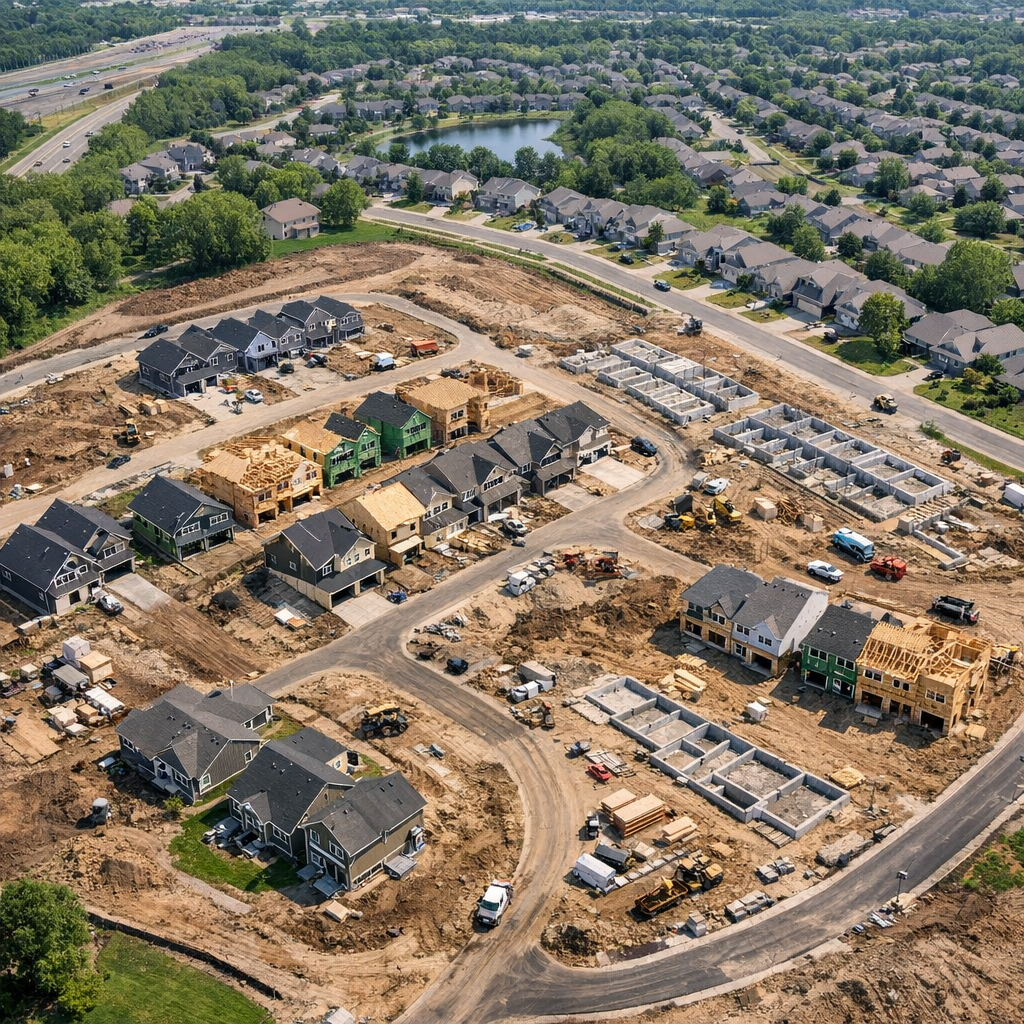
Because Eagan is largely built out, growth is happening through redevelopment and infill. The City’s 2050 Comprehensive Plan projects adding around 4,600 housing units via mixed-use sites, transit-oriented areas, and redevelopment of existing campuses.
Notable projects include:
- The redevelopment of the former Thomson Reuters campus, planned to combine industrial, residential, and green space while preserving natural features.
- The transformation of a 39-acre site at Towerview Road into roughly 1,000 new homes by the Dakota County Community Development Agency, offering a mix of affordable and market-rate housing.
- Recent additions of senior housing and veterans’ housing through partnerships with local non-profits and the CDA.
What This Means for Buyers, Renters, and Neighbors
For buyers: With prices stable and inventory limited, homes in good condition and desirable locations are likely to get snapped up fast. Be prepared to move quickly.
For renters: Modest increases are real but not dramatic. Prioritizing location and amenities can make a difference in cost. Townhomes or senior housing may offer better value than single-family homes in some cases.
For the community: Redevelopment brings opportunity but also choices. Where new housing goes — near transit, in mixed-use areas — will shape traffic, services, and neighborhood character. Community input in city planning is more important than ever.
Looking Ahead
As Eagan implements its 2050 plan, the types of housing added — and where — will matter. Expect more mixed-use, higher-density developments close to commercial centers and transit corridors. Residents should stay engaged in planning conversations because new projects will impact quality of life, school capacity, and local infrastructure.
Overall, Eagan’s housing market is evolving — not exploding. For many, that means balanced opportunities with some urgency and a need to understand what new supply is coming and where.